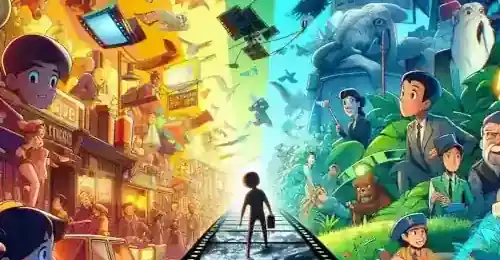
The Evolution of Sound Design in Animation
Posted December 17, 2025
Sound design in animation has undergone a remarkable transformation, evolving from the whimsical boings and slide whistles of early cartoons to the intricate, emotionally resonant soundscapes of contemporary animated features. This evolution has not only enhanced the auditory experience but also redefined how animated worlds are constructed and perceived.
The integration of synchronized sound marked a pivotal moment in animation history. In 1928, Walt Disney's Steamboat Willie introduced audiences to Mickey Mouse not just visually but audibly, with actions meticulously timed to music and sound effects. This technique, later known as "Mickey Mousing," became a staple in animation, where sound closely mirrored on-screen actions to enhance comedic and narrative effects. During the 1930s and 1940s, studios like Warner Bros. and MGM elevated sound design further, collaborating with composers and sound artists to create iconic auditory experiences. Characters like Bugs Bunny and Tom and Jerry were brought to life not just through animation but through distinctive voices and sound effects that became central to their identities.
As animation matured, there was a shift from exaggerated, slapstick sound effects to more nuanced and realistic audio designs. Films like The Lion King and Finding Nemo showcased rich soundscapes that blended naturalistic sounds with musical scores, enhancing storytelling and emotional depth. Modern animation now leverages sound to convey complex emotions and character development. Subtle changes in ambient sounds, the use of leitmotifs, and carefully crafted voice performances contribute to immersive and emotionally resonant experiences. Inside Out, for example, uses distinct musical themes and sound cues to represent different emotions, aiding both narrative clarity and emotional impact.
The advent of digital audio workstations and sophisticated sound editing software has revolutionized animation sound design. Sound designers now have access to tools that allow for precise editing, layering, and manipulation of audio elements, resulting in more intricate and polished soundscapes. Innovations like Dolby Atmos and binaural recording techniques have further enabled the creation of three-dimensional sound environments, allowing viewers to experience audio from multiple directions and enhancing immersion in animated worlds.
Creating the auditory landscape of an animated film is a highly collaborative process. Sound designers develop the overall sonic vision, ensuring all audio elements align with the narrative and visual style. Foley artists recreate everyday sounds to add realism, voice actors infuse characters with personality and emotion, composers craft musical scores that support the story’s emotional arcs, and sound editors and mixers bring all these elements together into a cohesive, immersive final mix. The workflow typically involves pre-production planning with directors and animators, recording and editing voice performances and Foley sounds, composing music, and finally mixing and mastering all audio elements for clarity and impact.
Looking ahead, emerging technologies, including AI-driven tools, are beginning to influence sound design by automating aspects of audio editing and sound effect generation. These advancements can streamline production, allowing sound designers to focus more on creative decisions. As animation expands into virtual reality and interactive media, sound design faces new challenges and opportunities, requiring the creation of responsive and adaptive soundscapes that react to user interactions in immersive environments.
The evolution of sound design in animation reflects the medium’s growth from simple entertainment to complex storytelling. Modern animated films use sound not merely as accompaniment but as a vital component that enhances emotion, defines characters, and builds immersive worlds. As technology continues to advance, the role of sound in animation will expand further, offering new avenues for creativity and deeper engagement with audiences.